About notebooks

Thursday, March 24, 2011

About 18 months ago, I realised that I was recycling a lot of envelopes.  I was about to start working at Waste Watch, a charity that encourage people to think about their waste. Most of those envelopes I was recycling were blank bits of paper.

It was good, of course, that they were being recycled, but they actually could be used again.

So I decided to keep them, and convinced colleagues to keep their envelopes. When I gathered them all together, I bound them into notepads. So I got busy with a letter opener, slicing every envelope apart.

At that time, Borders bookshop was going out of business. They had ridiculously low liquidation sales, with maps of all types selling for very little money.  Thinking "I'll find a use for them!", I bought some (well, lots actually).

Those two ideas came together: the maps could be nifty covers for my envelope notebooks.

And since then, I've gone through a series of different versions (proper designers might use the terms 'iterations' or 'prototypes').

The first type was very basic, still showing the ragged, cut edges from the letter opener.


So I brought the notebooks to a printing company, who nicely trimmed the edges. Lovely.


Later, having given some to friends and colleagues, I realised that a different type of binding would be better. So I brought some new notebooks to a binder, and had them ring bound. And they're lovely.


And so now, my staple-bound map notebooks are on sale on folksy, and I have a decision to make.

I'd like to keep this idea alive, but I don't really want to spend hours and hours making these notebooks. A lot of the stationery that sells online are luxury, high-end, artisan notebooks, but, to me, these notebooks are just notebooks. They're to be used and not treasured.

So I'm looking for ideas, inspiration, a partner, a way forward. Your suggestions are welcome.
The End of the World

Friday, March 18, 2011

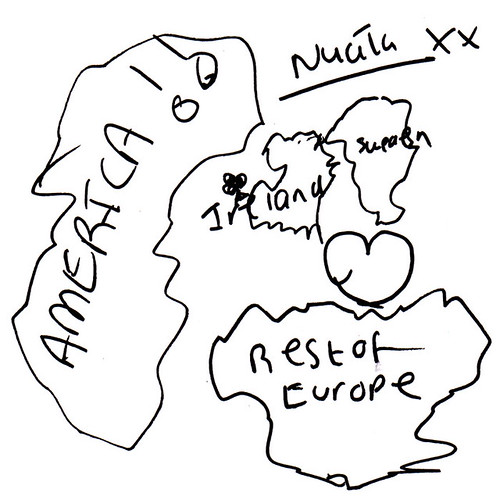
Nuala's world

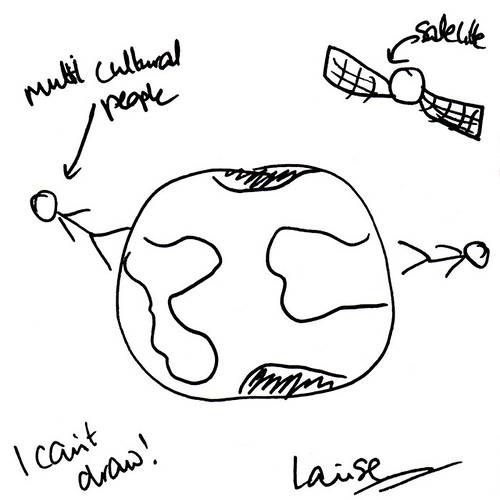
Louise's world

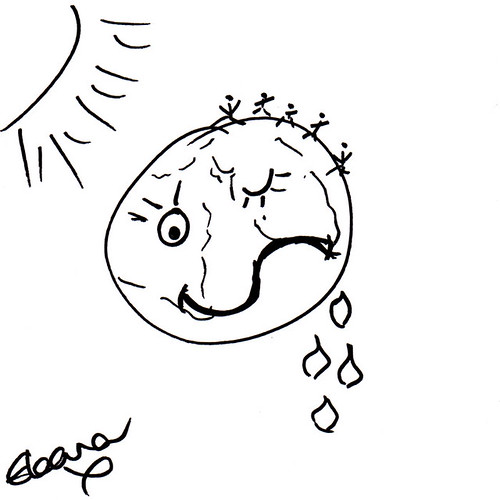
Eleanor's world

David O's world

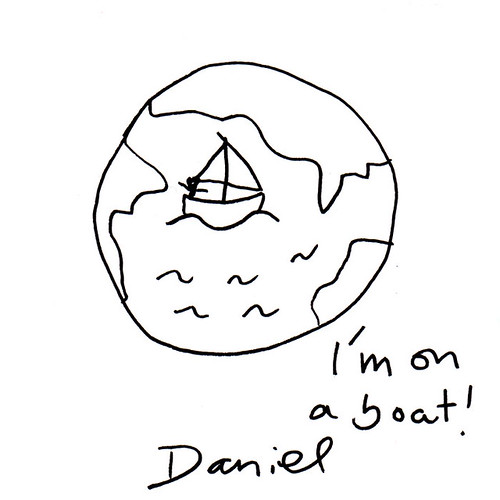
Daniel's world


The five drawings above are the final five maps I've collected for my My World project, where I ask people to draw the world.

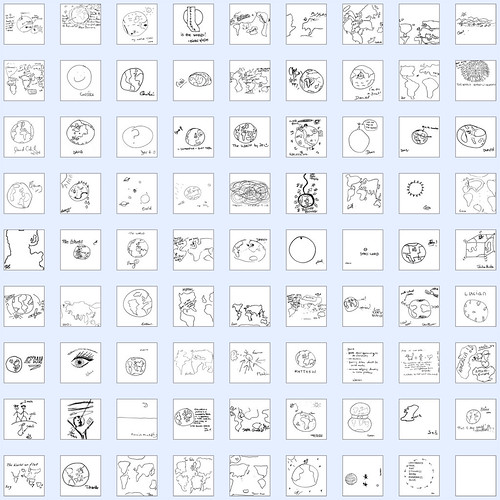
Nuala, Louise, Eleanor, David O and Daniel drew their worlds last year. With their drawings, I had reached a total of 80. That seemed like a good number to bring collecting to a close. I had collected drawings of The World in 80 ways.

Also, in my poster design below, 80 allows for a blank space, recognising that this kind of endeavour could run and run on to infinity. (Click on it to see it bigger)

The World in 80 ways


Thank you to all those who drew pictures, responding to my perplexing request with creativity, practicality and flair.

All 80 images - the world in 80 ways - are on flickr here.


Eurovision heats in London

Saturday, March 12, 2011


I hit on a notion this year to try to watch Eurovision selections from around Europe in bars in London, in much the same way that I watch football.

But whereas football is popular with pub-goers, Eurovision, it seems, is not. There was nothing on show at Norwegian, Danish and Finnish venues. Similarly, an Armenian cultural centre was all closed up, and the Greeks and Portuguese preferred football.

A Bulgarian bar was playing Balkan music on its TV, but videos not Eurovision.

My one happy constant was the Swedish Church in Marylebone which week after week showed Melodifestivalen heats. Even the priest there got in on the excitement! If only every other nation could be the same...

What's in Gibraltar?

Wednesday, March 09, 2011

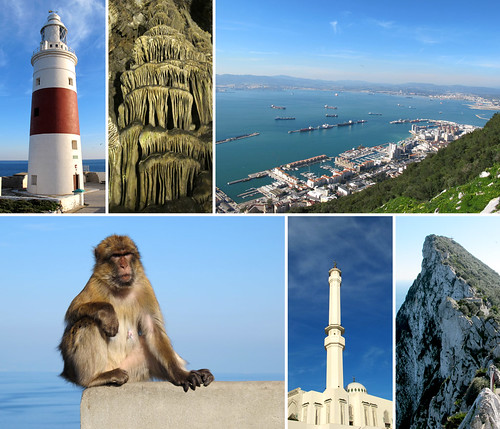
Gibraltar sights


Continuing my posts on curious places (previously: Albania, San Marino), I recently flew to Gibraltar.

Gibraltar occupies a dramatic peninsula jutting into the sea, the majority of which is taken up by a whopping big rock.

The sights of Gibraltar are the mountain, the cheeky monkeys up on the mountain, the caves within the mountain, and the view of the Strait of Gibraltar from the mountain.

The rest is a town which looks a bit Spanish, but feels a bit English. New Look, Marks & Spencer and other British shops line the streets, along with duty free alcohol and perfume shops.

Unlike in Spain, the streets clear come sundown. "We live indoors like the English, not outdoors like the Spanish," one man said to me.

The local gay bar was empty, with the owner wistfully lamenting the departure of the sailors at the naval base.

Gibraltar airport brings a giddy thrill, as you can walk across the runway. The main road into the city crosses the runway which has had to be fitted into an awkward space. Sadly this thrill won't last for much longer as a road's being built under the runway.

And that is Gibraltar.

Robyn at Roundhouse

Friday, March 04, 2011

Robyn @ Roundhouse, March 3

Last night, I saw Robyn at Roundhouse.

I've seen Robyn live quite a few times now, from one of her earliest UK gigs to the heights of Heaven.

She always delivers.

I can totally see why she called her last album Body Talk; she really does channel her lyrics through her dancing. Such as:

  • Simulating putting a calculator in her pocket during Fembot
  • Thumping a heartbeat on her chest during With Every Heartbeat
  • Simulating kissing and embracing herself during Dancing on my Own
  • Throwing herself around the stage in unabashed, uncoordinated dance fever during nearly everything.

In short, and, as always: amazing.

Robyn @ Roundhouse, March 3

UK to Spain, from above

Monday, February 21, 2011

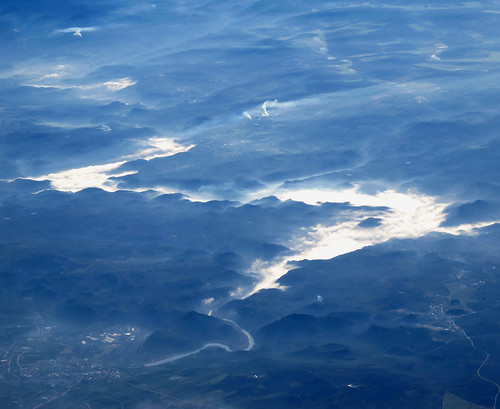
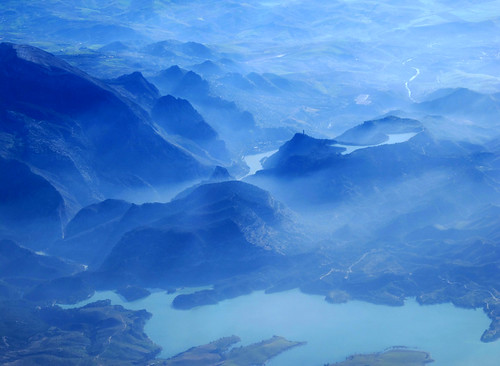
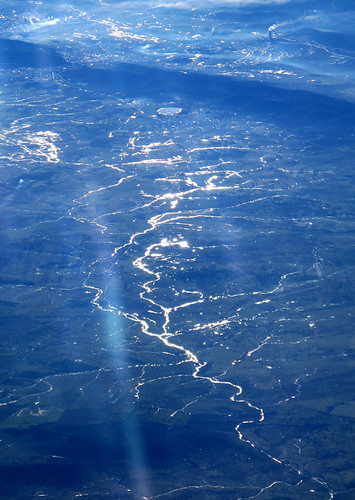
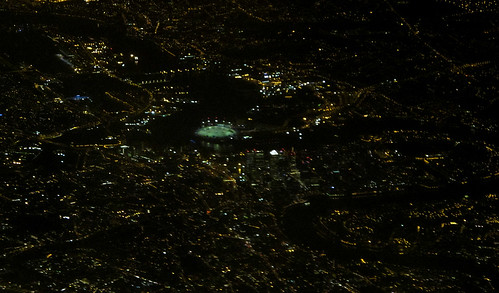
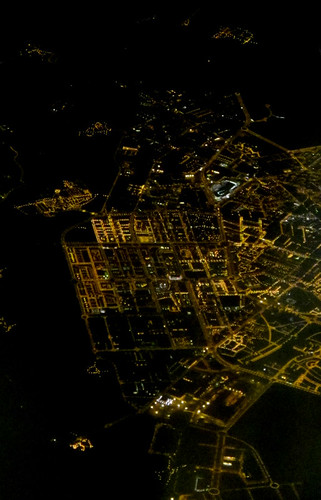
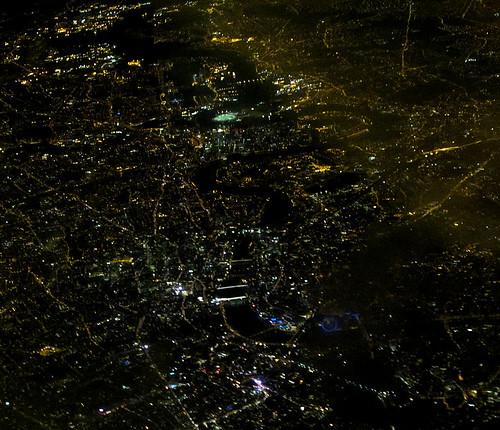
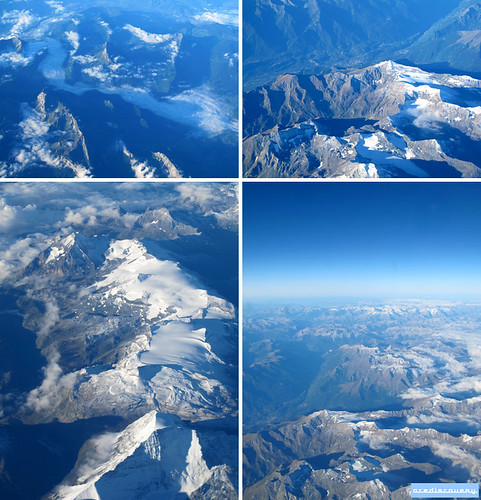
I took these great aerial photos on a flight from London to Gibraltar, and then the return flight from Seville to London.

Mist over Guadalhorce / Guadalteba reservoirs , Spain

Sierra Nevada, from above

Sunlight reflecting of Spanish river

Night aerial view over east London


Burgos, Spanish city by night

London by night, aerial photo

The Gearagh

Friday, January 14, 2011


I grew up near The Gearagh, a unique part of County Cork, although I never really knew much about it. My teachers never talked about it in school, odd when you consider it was a mere mile from the school.

The Gearagh gets its name from An Gaorthadh, the wooded river. It is what remains of a submerged forest and community.

In the 1950s, to facilitate the building of two hydroelectric dams, the trees in the eastern part of Gearagh were cut down, and the area was flooded with around 60% of  woodland lost. Tree stumps remain, sometimes submerged, sometimes above the water line.

In addition to my photography, take a look at this great aerial photograph of the Gearagh.

2010

Friday, December 31, 2010


2010 is over: here's what I did in 2010.

Tune of 2010


10 tweets from 2010

  • I made the Polish ladies in Old Street station sandwich shop smile by speaking Polish to them.
  • Reading about pubs in Ireland opening on Good Friday. 'tis a landmark
  • Fascinating fact: Switzerland has won more Nobel Prizes (per capita) than any other nation.
  • WEIRD. I've just read an email written by me in 2000, talking about having set up a Eurovision website. I have no memory of that.
  • My friend Vandana and I are setting up a stall at a flea market. We're going to be the V&A Flea-seum.
  • Love Spotify. Search Ellie Goulding. Get "Do you mean Elsie Goulding?" I wish I did.
  • Saw a geography teacher doing his marking on the tube earlier. Was quite excited.
  • Going to see Grace Jones tonight. Amazing seats, actually sitting in one of her hats.
  • I managed to use the word outrĂ© and metaphor in my leaving speech at work. Brilliant.
  • Received spam from Airline Adriana. How wonderful. I'd fly with them.

Sights in Sweden

Tuesday, December 14, 2010

Sights of Gothenburg

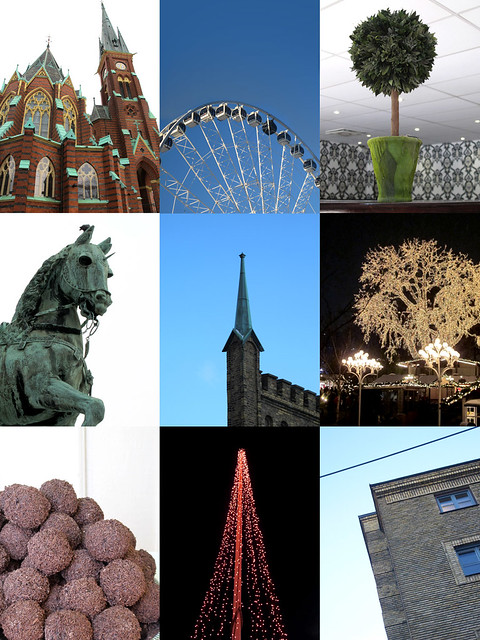
I went to Gothenburg in Sweden a few weekends. It was very nice, here's what I saw:
  • Elegant, solid architecture. Built to withstand cold, snow, time.
  • Festive fare at Haga Christmas market
  • A tree at Liseberg completely covered in Christmas lights. Every branch had a twinkle.
  • A lake shaped like a guitar
  • Nanne Gronvall-esque climbing frame in the airport
  • A portly chap doing a stumbly samba to You're making me hot hot hot
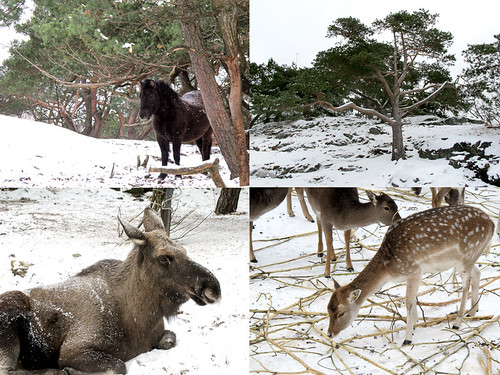
  • Elks and reindeers in Slottskogen park
  • Homeware shops on every street. There are loads.
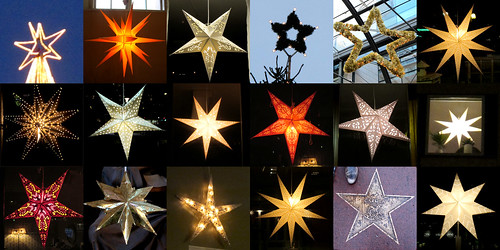
  • Adventstjarna - a lovely star in every window


Swedish Adventstjerne


Nature in Gothenburg

Our Saint Saviour

Tuesday, November 23, 2010

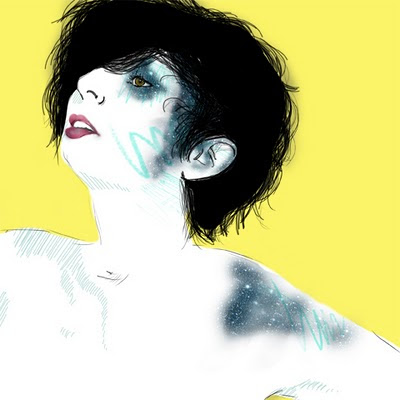
Saint Saviour by Genie Espinosa


I went to see Hurts play at Union Chapel last week, as part of Mencap's Little Noise sessions. They were wonderful: haunting, elegant, emotional - as arresting now as the first time I saw them.

I really enjoyed the support act Saint Saviour.

We described Saint Saviour as:
  • Kate Bush meets Liza Minelli
  • Marcella Detroit meets Robyn
  • Enya meets Roisin Murphy
  • Dolores O'Riordan meets Enya
  • Enya goes to Florence (with the Machine)

Ergo: amazing.

Maybe the church setting set me to thinking more than usual, but the lyrics Saint Saviour sang really stood out: "don't shine the spotlight on me, I'm already bright enough". Profound, no?

Adrian, USA

Friday, November 05, 2010

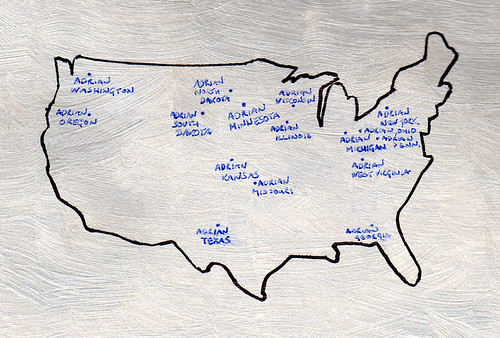
Adrian, USA

Whilst reading the article on the nomenclature of American towns, I got to wondering about places with my name. It turns out there's quite a few Adrians in America, stretching all the way from New York to Washington. 

The majority of American Adrians are quite small, with no more than a couple of hundred people in each. Some are named after settlers, with one, Adrian, Oregon, named after another Adrian: Adrian, Illinois.

Adrian Minesota, one of the larger Adrians, with more than a thousand inhabitants, was named after the mother of the local railway's directors. She was called Mrs Adrian Iselin, and he was Adrian C. Iselin. So really he named it after himself. The locals, apparently, prefer to believe the town was named after St Adrian.

Adrian, Michigan is perhaps the most exciting of all, with a plentiful 21,000 inhabitants. During the late 19th century and early 20th century, it was known as the "fence capital of the world," as it was where the first successful wire fence was invented. Fancy that. 

On the nomenclature of cities and towns in the United States

Monday, October 18, 2010

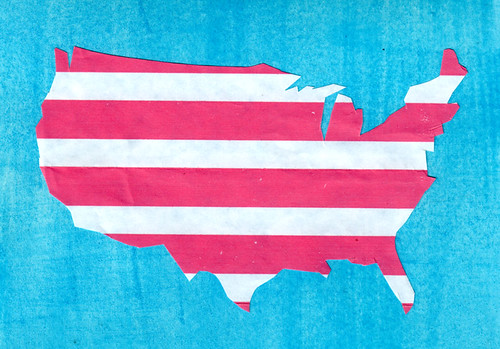
Stripes USA map

I recently found an article from 1885 on JStor with the exciting title On the nomenclature of cities and towns in the United States. It sounded fascinating - I've always wondered why certain cities in the USA were so named.

I was thinking about places I've seen on maps, places like Malta, New York, Zurich, Kansas or Lebanon, Oregon. I imagined fledgling Maltese, Swiss or Lebanese immigrant communities founding new towns and making new lives in a new land.

The actual reason is much more prosaic. Early railway companies and postal companies basically picked names at random or from long lists of places (maybe listed in almanacs)

The article speaks of certain parts of New York state with classic names like Ithaca, Syracuse, or Troy, so named as "a pedantic surveyor-general of the last century took ancient names, at random, out of a classical dictionary to scatter broadcast over this new land".

Years ago, I read Sweet Liberty by Irish writer Joseph O'Connor (brother of Sinead). In it, he travelled around the US, visiting nine towns and cities called Dublin. But despite finding something to write about in each place, he found very little connection to Ireland.

Practically all of Europe is accounted for: from Armenia, Wisconsin to Lisbon, Ohio, from Athens, Georgia, via Vienna, Missouri to Oslo, Minnesota.

These places are not named in the ways we might first think... but they could be, and that's what's brilliant.

What is in Albania

Thursday, October 07, 2010

A few weeks ago, during a holiday in Corfu, I went on a day trip to Albania. We took a ferry to a town called SarandĂ« and a bus to UNESCO archaeological site called Butrint.

Butrint was very interesting - a huge site, dating from Roman, Greek, Venetian and Ottoman times.


Sights in Albania
Sarande surprised me - it was a new town, built in the early 20th century. The town was very modern - lots of art-deco-ish architecture. It was quite Miami. The bars and restaurants seemed modern and new - a very different place to how I expected.

What was odd, however, was that this town with nice buildings and a long, lovely seafront promenade was empty. It was 4pm on a Wednesday - there was hardly a soul to be seen. Perhaps it was an Albanian version of siesta?

I particularly enjoyed seeing Albanian folk-pop videos on a screen in a café. I can't decide who my favourite performer was: the woman called PONI or the woman bottom right below: she certainly was her own biggest fan.


London to Corfu, from above

Sunday, September 26, 2010

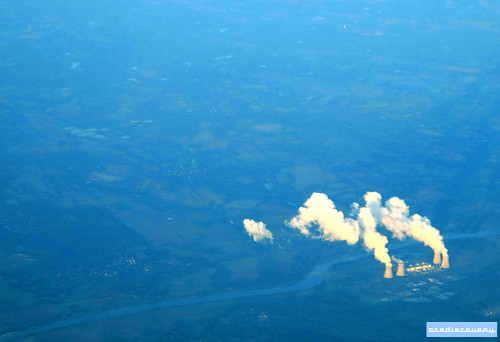
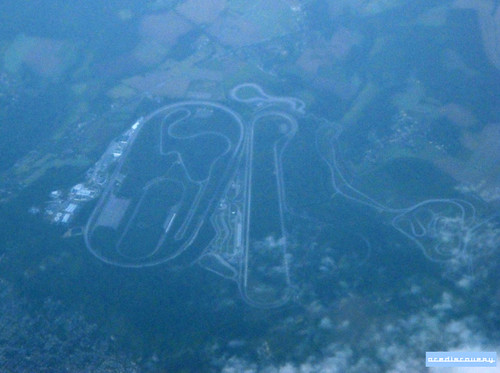
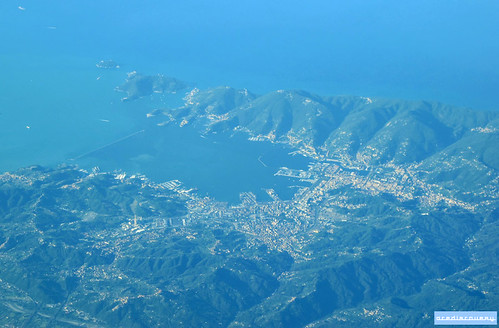
I took these great aerial photos on a flight from London to Corfu, passing over France and Italy.

Dampierre nuclear power plant, aerial photograph

Race track, from above

La Spezia, from above

The Alps from above

And on the return night flight, we passed over Paris - spot the Eiffel Tower in the left lower middle ground.

Paris by night, aerial photograph


Map pictograms: the world as washing

Thursday, September 23, 2010

How to advertise washing machines to me: add a world map made from clothes. I found this lovely image in a Latvian magazine.


Map pictograms: Georgia

Tuesday, September 07, 2010

It's probably fair to say we don't see many maps of Georgia printed in the UK. So I was intrigued to see these maps in The Economist magazine - advertising Georgia as a business opportunity. Whether you agree with the attempts to westernise Georgia or not, the maps and landscapes are stunning.


Sending postcards to museums

Friday, August 20, 2010

Last year, when I went to Norwich, I bought some snapshot sets at a second-hand market. I had never seen such things before: little envelopes in which were several snapshot photocards. "How novel," thought I, "I'll buy them!"


I bought sets with pictures of: Shetland, Amsterdam, Niagara Falls, San Remo, Norway and Vienna.

A year later, I have looked at and admired these sets quite enough - but what to do with them? I don't want to just throw them away (that would never do), and charity shops don't seem worthy enough - so I hit on the idea of sending them to relevant museums.

This is a bit foolhardy: museums generally have lots of things in their collections, more than enough, and possibly don't need items they have not solicited. On the other hand, I'm intrigued to see which museums might like the sets. And, so...

I'm sending the Shetland set to the Shetland Museum.


The Amsterdam set go to the Amsterdam Historical Museum.


The Norwegian Maritime Museum receive the 19 images of Norway's coast.


20 photographs of San Remo go to San Remo's Museo Civico


Beautiful photographs of Vienna go to the Wien Museum


And finally, the twelve photographs of Niagara Falls go to the Niagara Historical Museum


I'll let you know what happens.


The French Vogue for bumbags

Tuesday, August 10, 2010

How I love the French fashion for wearing bum bags! They're a very useful accessory, of course, and spare the shoulders the ache of a rucksack. And, apparently, they're the height of fashion, with this full page spread I spied in French Elle. It's delightfully endearing that something that went out of fashion in the UK and Ireland remains so in France and other European countries.

And fact fans, in South Africa, the bum bag is called a moon bag. How interesting!


Small Spaces @ V&A Museum

Friday, August 06, 2010

I went to the V&A Museum last week to see Small Spaces, an exhibition of seven small structures built by architects in the V&A's galleries.

It was fascinating. I love small, cosy, cute spaces so the whole idea appealed to me.

The structure I had most wanted to see was a tea-house by Terunobu Fujimori. Raised up on four spindly, tree-branch like legs, you climb a little ladder to enter the teahouse. Inside, the ceiling is covered with tiny pieces of charred wood arranged in a parallel pattern with a simple tea-set. It was utterly charming.


Architects from Mumbai built a structure based on in-between spaces in Mumbai which become home to people in the city. They live in the cracks of the city, between, say, a warehouse and a factory, covering above with a the ceiling of sheet metal and making a home.

Norwegian architects built a four-storey walk-in bookcase, made of smooth Scandinavian wood with two in-built seats covered in animal furs. I wanted to stay there all day reading. Another staircase structure had lots of nooks hidden behind curtains. Climbing it was like my own mini-drama: what would be behind each drape?

In addition to the structures, models and drawings of structures that were not made were on display. I loved an Austrian architect's structure which would have had people walking on grains, with small pools of water around them and gently swaying stalks of wheat and barely suspended from the ceiling.


I also loved a structure in which you lie face down on the floor in a dug out groove, with a small screen under your eyes which shows someone else's viewpoint as they walk around the museum. It was a real shame this was not built, I really hope it will be.


The exhibition showed how architecture affects us all, making us smile, making us unhappy, and inspiring our curiosity.